 Austria
 Belgium
 Bulgaria
 Croatia
 Czech Republic
 Denmark
 Estonia
 Finland
 France
 Germany
 Greece
 Hungary
 Ireland
 Italy
Italy
 Latvia
 Lithuania
 Luxembourg
 Netherlands
 Poland
 Portugal
 Romania
 Slovakia
 Slovenia
 Spain
Spain
 Sweden
What Can You Freeze and How?
2026. 06. 09.
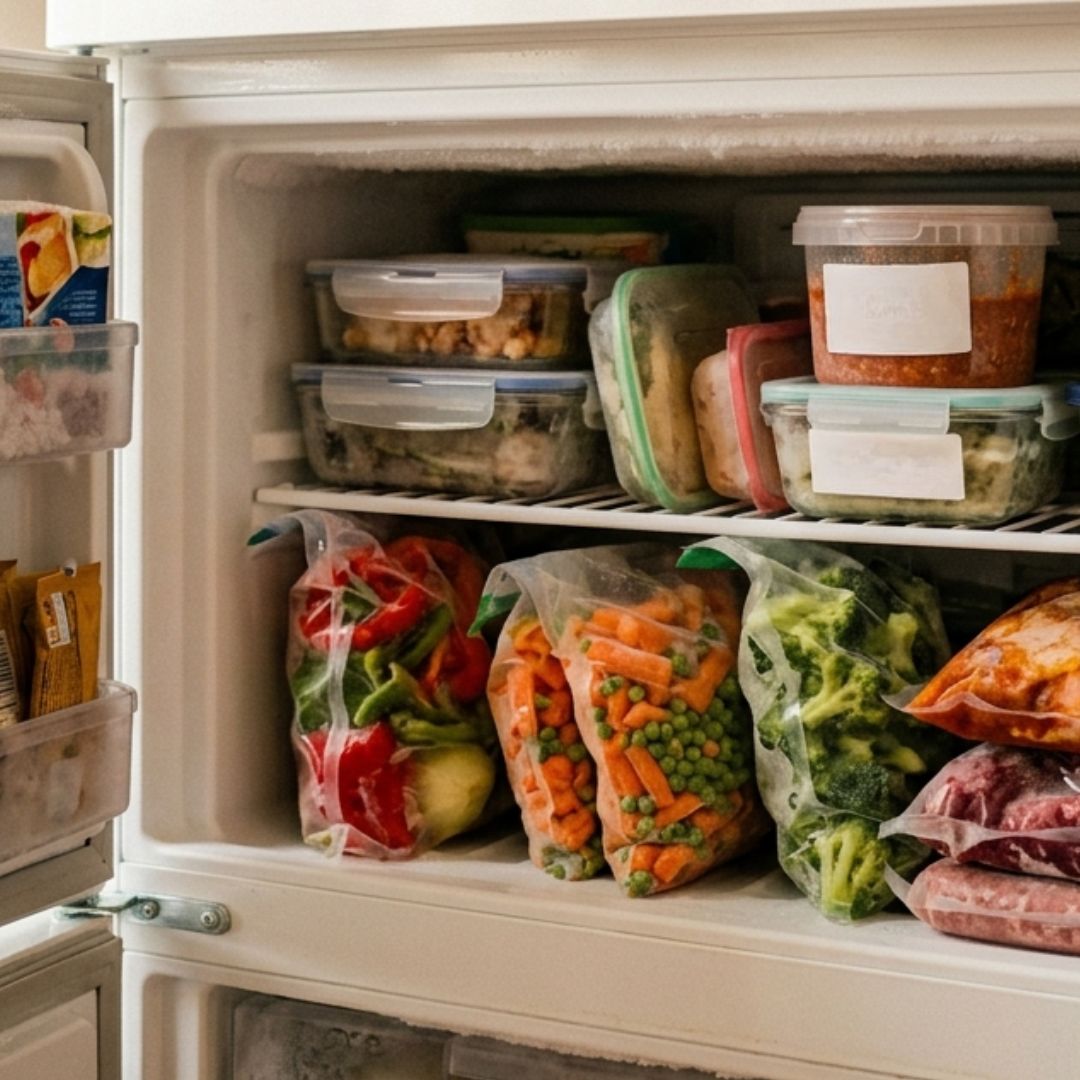
For many of us, the freezer is simply a place in the kitchen where leftover stew, a bag of frozen vegetables, or meat bought on a special offer ends up. However, when used more consciously, it can become a real everyday helper. Not only can it save time and money, but it can also help reduce food waste.
You’ve probably experienced the situation when there is more food left from Sunday lunch than you can eat in the following days. Or when you find such beautiful strawberries at the market that you simply can’t resist buying them, only to realize at home that it’s impossible to eat them all within a few days. That’s when the freezer comes in handy. Thanks to it, ingredients and prepared meals can maintain their quality for much longer.
The Best Friend of Meat and Prepared Meals
If there is one ingredient that almost always does well in the freezer, it is meat. Chicken, pork, and beef can all be frozen without any issues, especially when portioned beforehand. After a long workday, you’ll be grateful to yourself for having a ready-to-use portion waiting in the freezer. As a general rule, ground meat should be used within 3–4 months, while larger cuts of pork or beef can maintain good quality for up to 6–9 months in the freezer.
The same applies to prepared meals. A hearty soup, a rich stew, or a flavorful Bolognese sauce can often taste just as good after thawing. However, most cooked dishes are best consumed within 2–3 months to preserve their flavor and texture at their best.
Save the Flavors of the Season for Later
Many vegetables also freeze exceptionally well. Peas, corn, green beans, and broccoli can still be used months later in soups, side dishes, or quick dinners. If you have your own garden or enjoy shopping at local markets, freezing seasonal vegetables allows you to save a little piece of summer for later. With proper packaging, most vegetables can be stored for up to 8–12 months in the freezer.
The same is true for fruit. The flavors of summer can easily be preserved by freezing strawberries, raspberries, or blueberries. During winter, they can bring those familiar seasonal flavors back in smoothies, cakes, or even a bowl of morning oatmeal. Most fruits retain their quality for 8–10 months, allowing you to enjoy them until the next season arrives.
Bread Doesn’t Have to Go to Waste Either
It may come as a surprise, but bread freezes remarkably well. If you accidentally buy more than you need, it’s a good idea to slice it before freezing. This way, you can take out only the amount you need, and after a quick reheating, it will taste almost as if it came fresh from the bakery. For the best quality, however, it should be consumed within 2–3 months.
Not Every Ingredient Likes the Cold
Of course, there are also foods that do not respond well to freezing. Lettuce, cucumbers, and raw tomatoes, for example, lose their crisp texture, while dishes containing sour cream or mayonnaise often become grainy or watery after thawing.
Dairy products require particular attention. Milk can be frozen, but after thawing it often develops a slightly grainy or separated texture, making it better suited for cooking or baking rather than drinking on its own. Cream behaves differently depending on the type: cooking cream generally freezes better, while heavy whipping cream may separate after thawing. Among cheeses, harder varieties such as Cheddar or semi-hard cheeses freeze well when grated or cut into pieces, whereas soft cheeses and cream cheese tend to lose their texture. Overall, freezing dairy products depends largely on how they will be used later. They do not necessarily spoil, but texture changes can make them less enjoyable than when fresh.
A Few Small Tricks That Make a Big Difference
Good results depend not only on what you freeze but also on how you freeze it. Always allow food to cool completely before freezing, and use airtight containers or freezer bags. If you plan to store food for an extended period, vacuum sealing can be an even better option, as it removes most of the air and helps preserve both texture and flavor. Don’t forget to label packages with the date—this small step can save a lot of guesswork later. It is also important to remember that while freezing significantly extends shelf life, it does not preserve quality forever. Dating your frozen foods is therefore just as important as freezing them properly.
A freezer works best when used thoughtfully, with proper packaging, sensible portioning, and a little organization. If you pay attention to these details, everyday cooking becomes much easier, and you will always have something on hand that can quickly be turned into a delicious meal. With the right storage and organization tools, the freezer can truly become one of the most useful helpers in your kitchen.
If you enjoyed this article, be sure to follow the GAMMO blog, where we regularly share practical kitchen tips, interesting food-service articles, and inspiring recipes to help you cook more consciously and enjoyably every day.