 Austria
 Belgium
 Bulgaria
 Croatia
 Czech Republic
 Denmark
 Estonia
 Finland
 France
 Germany
 Greece
 Hungary
 Ireland
 Italy
Italy
 Latvia
 Lithuania
 Luxembourg
 Netherlands
 Poland
 Portugal
 Romania
 Slovakia
 Slovenia
 Spain
Spain
 Sweden
Unusual Canning Methods: Other Ways to Preserve the Season's Flavors
2026. 08. 05.
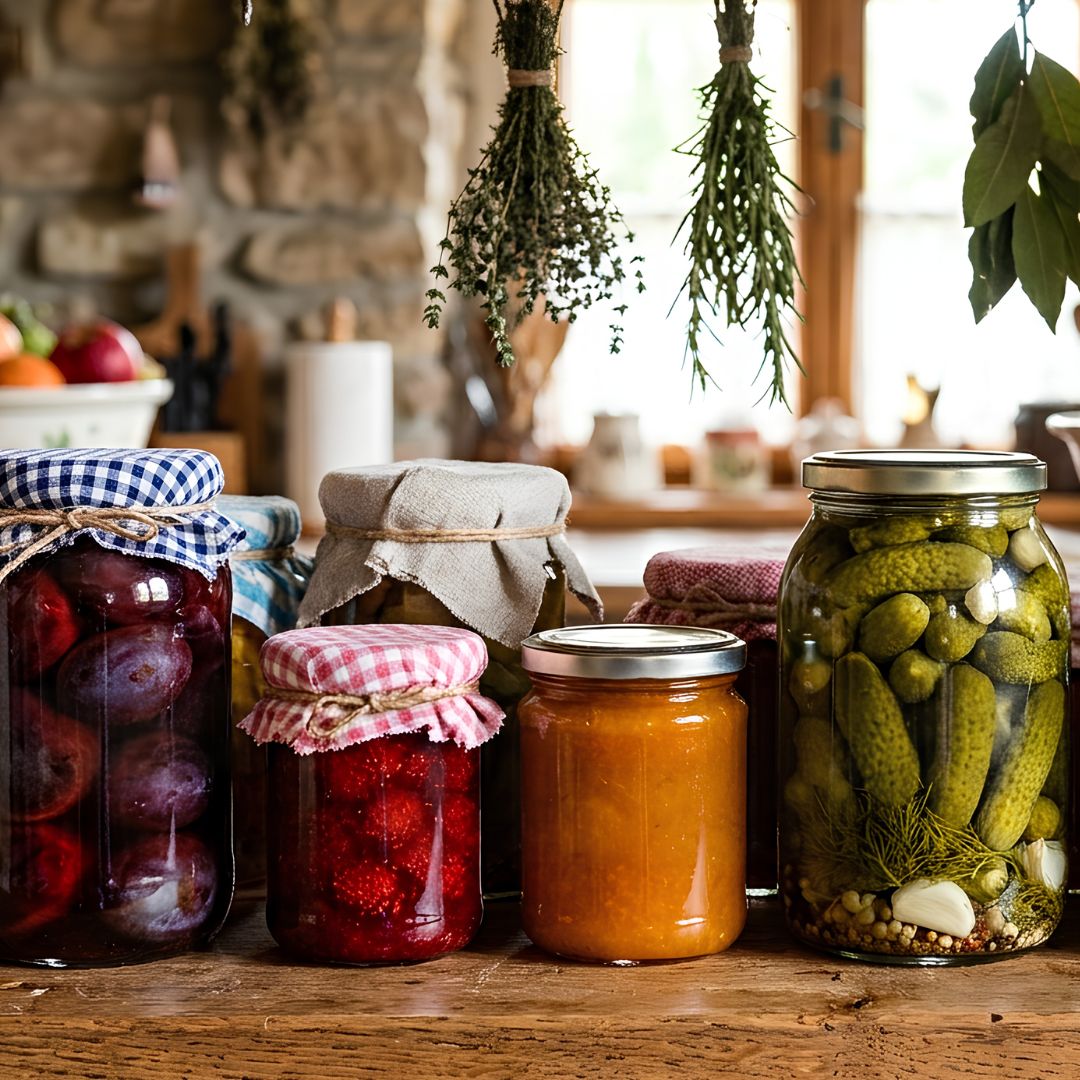
When it comes to preserving, most people picture steaming pots of jam, jars sealed with cellophane, and pickled vegetables hidden away under blankets. Yet the world of preservation is far more exciting: some methods are based on centuries-old traditions, while others come from thoroughly modern kitchen solutions. Here are a few unusual techniques that can bring a new twist to your preserving.
Steam-processing in the dishwasher
Most people use their dishwasher for cleaning plates, glasses, and pots, yet more and more people are discovering a completely different function: heat-processing preserves. It may sound strange at first, but programs with the right temperature can gradually heat sealed jars all the way through. This method is especially popular for pickles, such as gherkins. The prepared, sealed jars are placed in the machine, run through a higher-temperature cycle, and then left to cool slowly. One of the biggest advantages of this trick is that you can process a larger quantity at once, without having to stand over a huge pot in the summer heat.
The basic principle of traditional water-bath processing is still proper heat treatment and hygiene. It's worth knowing, however, that this is more of a home trick than an officially recommended preserving method, so it should only be tried with flawless jars and properly sealing lids.
Fermented specialties
Fermentation is having a renaissance, yet most people still only think of sauerkraut or fermented pickles. In reality, almost every vegetable holds the potential for discovering a new flavor world. Carrots, cauliflower, and beetroot can all be fermented, as can garlic or even lemon. During the process, natural bacteria transform the ingredients, creating unique, tangy, complex flavors.
Fermented lemon, for example, is a favorite ingredient in Middle Eastern cuisine: finely chopped, it adds a fantastic flavor to fish dishes, stews, or couscous.
Delicacies preserved in honey
Honey isn't just a sweetener, it's also a natural preservative that's been known for thousands of years. Fans of more unusual kitchen experiments are rediscovering ingredients aged in honey, one of the most exciting being honey-preserved garlic. The preparation is simple: peeled garlic cloves are placed in honey, and over time the flavors meld together. The garlic takes on a slightly caramelized, softer character, while the honey becomes enriched with unique aromas. It works wonderfully alongside cheeses, for marinating meats, in salad dressings, or even as a topping for a special piece of toast.
Fruit preserved in alcohol
Rum-soaked sour cherries or brandy-preserved cherries are an old tradition in many families, yet they come up less often than classic jam-making. Alcohol, however, is excellent at preserving the aroma of fruit. This way, seasonal fruit can become the base for special desserts, pastries, or cocktails months later.
This method is especially exciting for restaurants and hospitality venues too, since unique, house-made ingredients can be used to create special dishes.
Wax sealing
Before modern jar lids became widespread, many places sealed preserved food with wax or paraffin. Although it's rarely used today, it's fascinating as a piece of history to see how our ancestors tried to preserve the flavors of the season. This method can lend a special atmosphere to artisanal products, such as specialty jams or treats intended as gifts.
Preserving in oil and vinegar
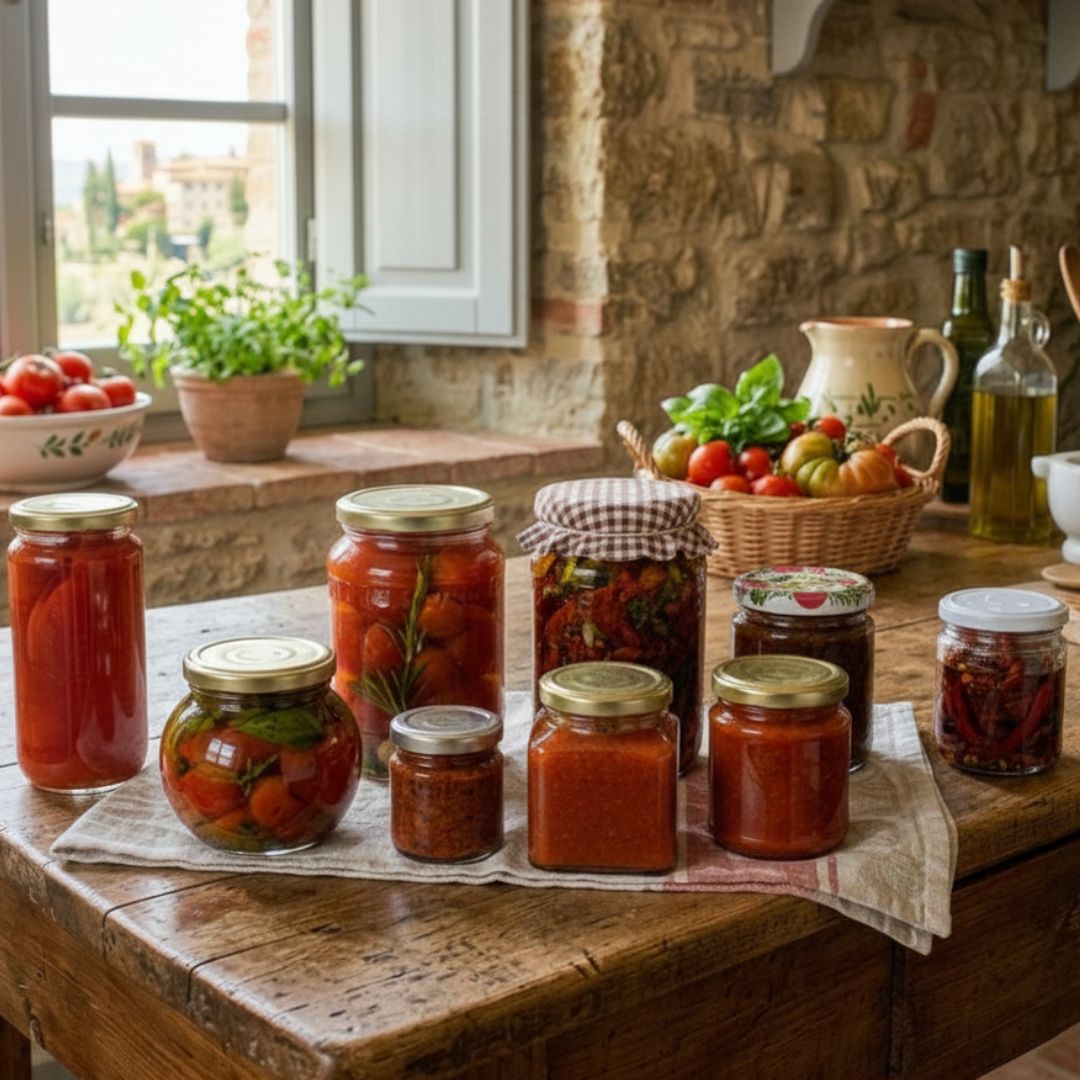
Preserving dried tomatoes, grilled peppers, or garlic in oil is a striking and tasty solution, but proper hygiene and safe preparation are especially important here. Improperly handled oil-based preserves can pose a serious food safety risk, so they should always be made following a reliable recipe and refrigerated when necessary.
Vinegar-based pickling, on the other hand, remains one of the safest and most popular forms of preservation, and works excellently for countless vegetables.
The world of preserving is constantly evolving. Alongside classic jams and pickles, kitchens today are also embracing techniques that honor the past while making the most of modern tools. Dishwasher steam-processing, fermented vegetables, or special honey delicacies - the goal is always the same: to preserve the season's best flavors for as long as possible.
A well-equipped kitchen can be a great help here too - with the right tools, creative ideas become reality more easily.